Ai
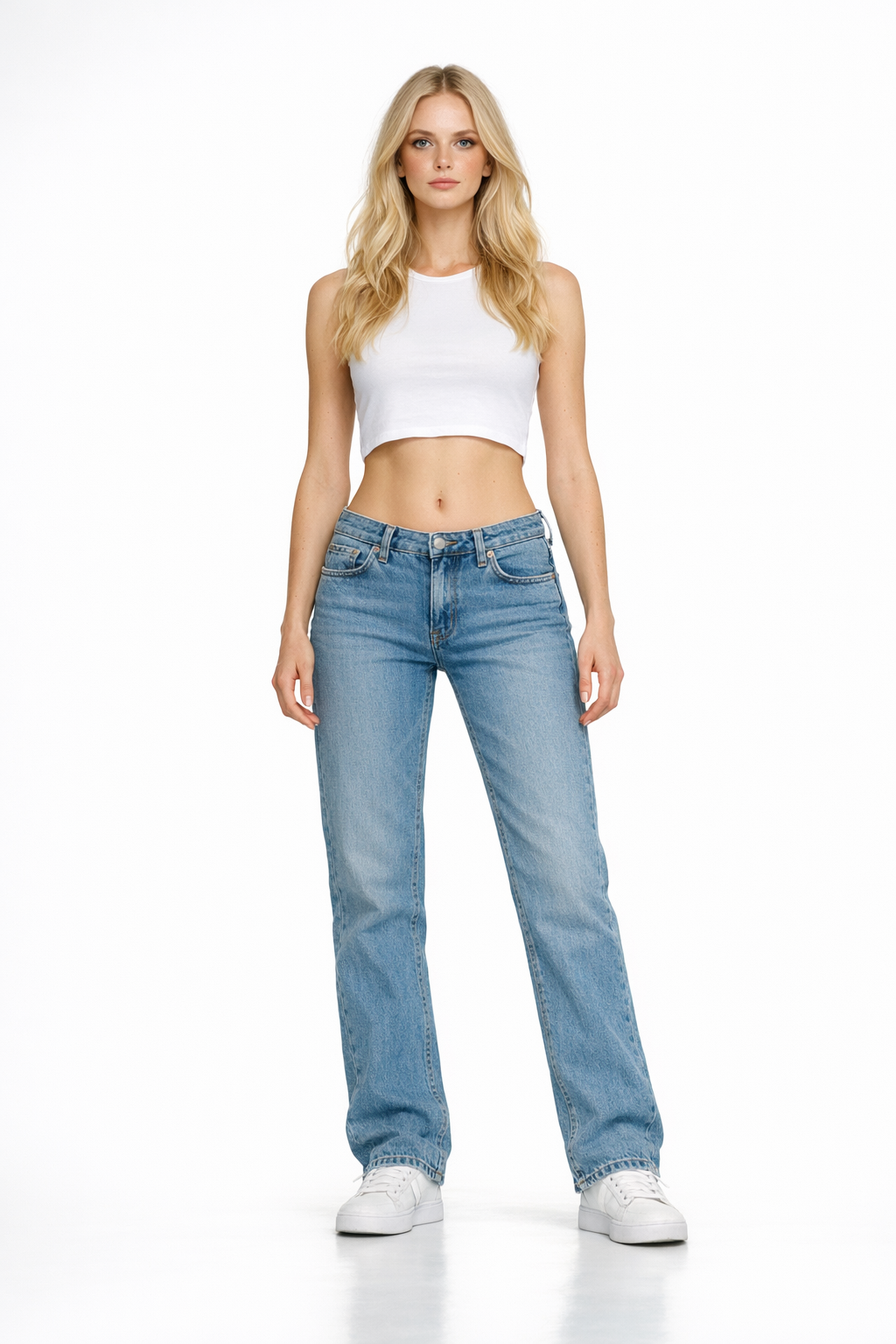
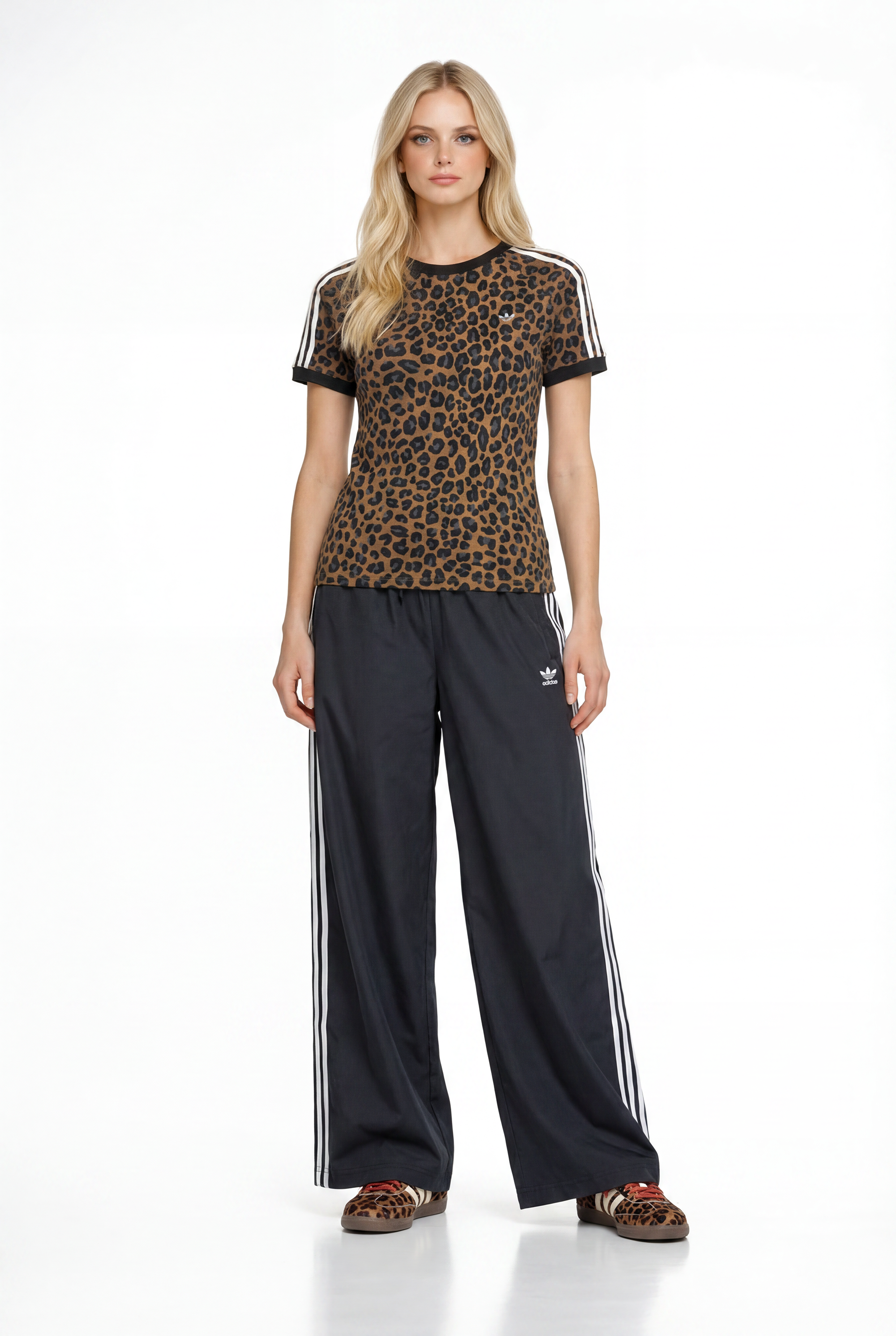
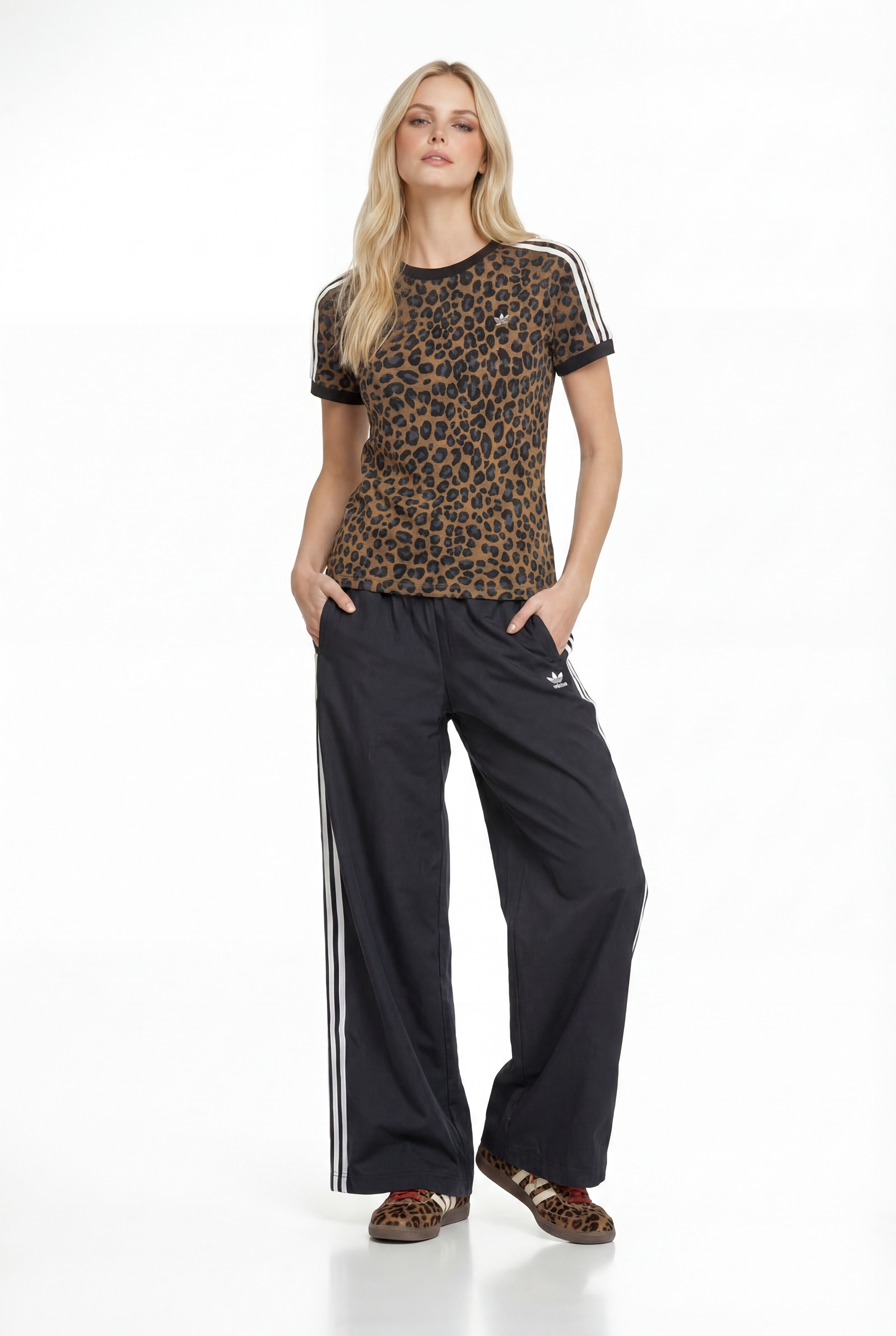
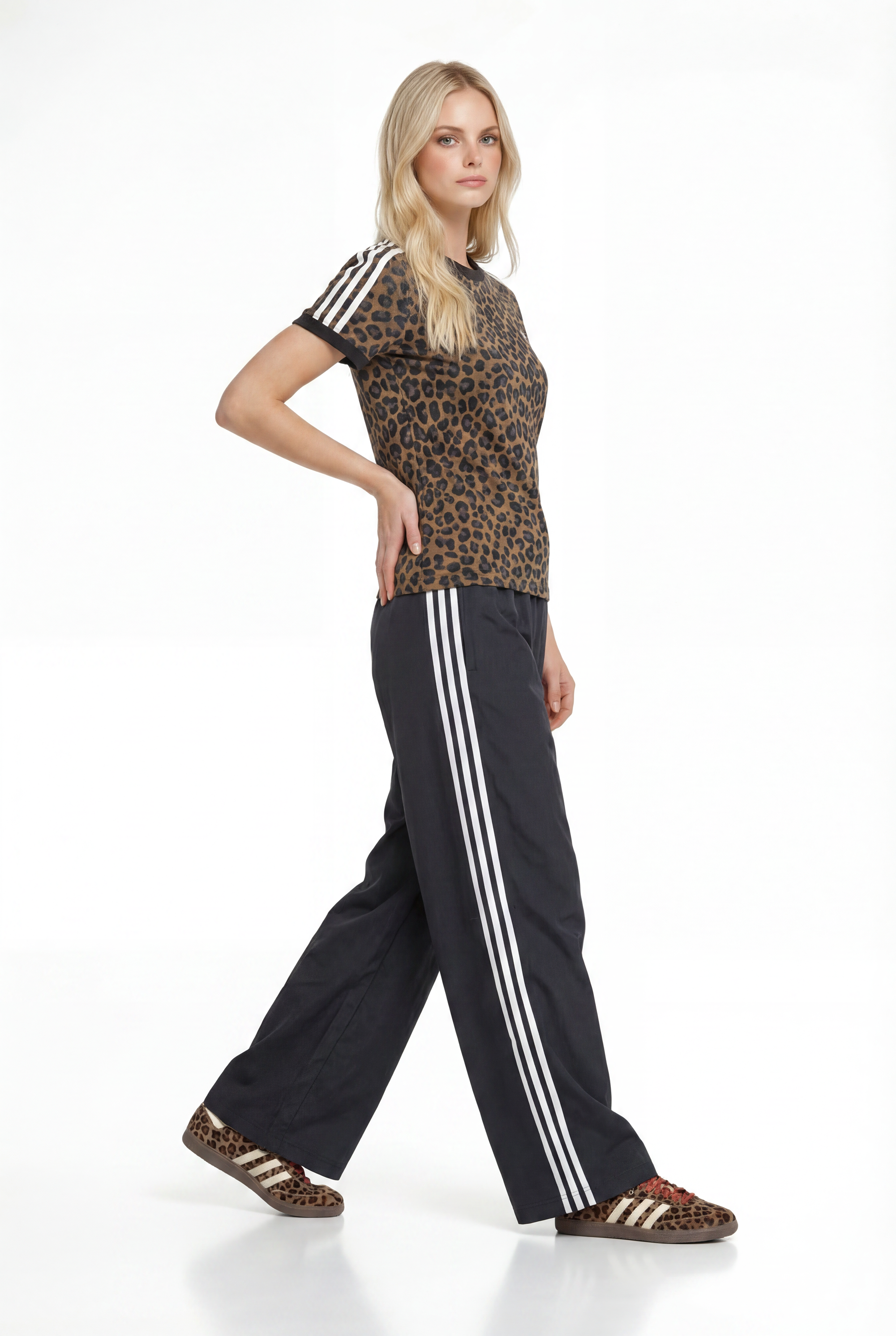
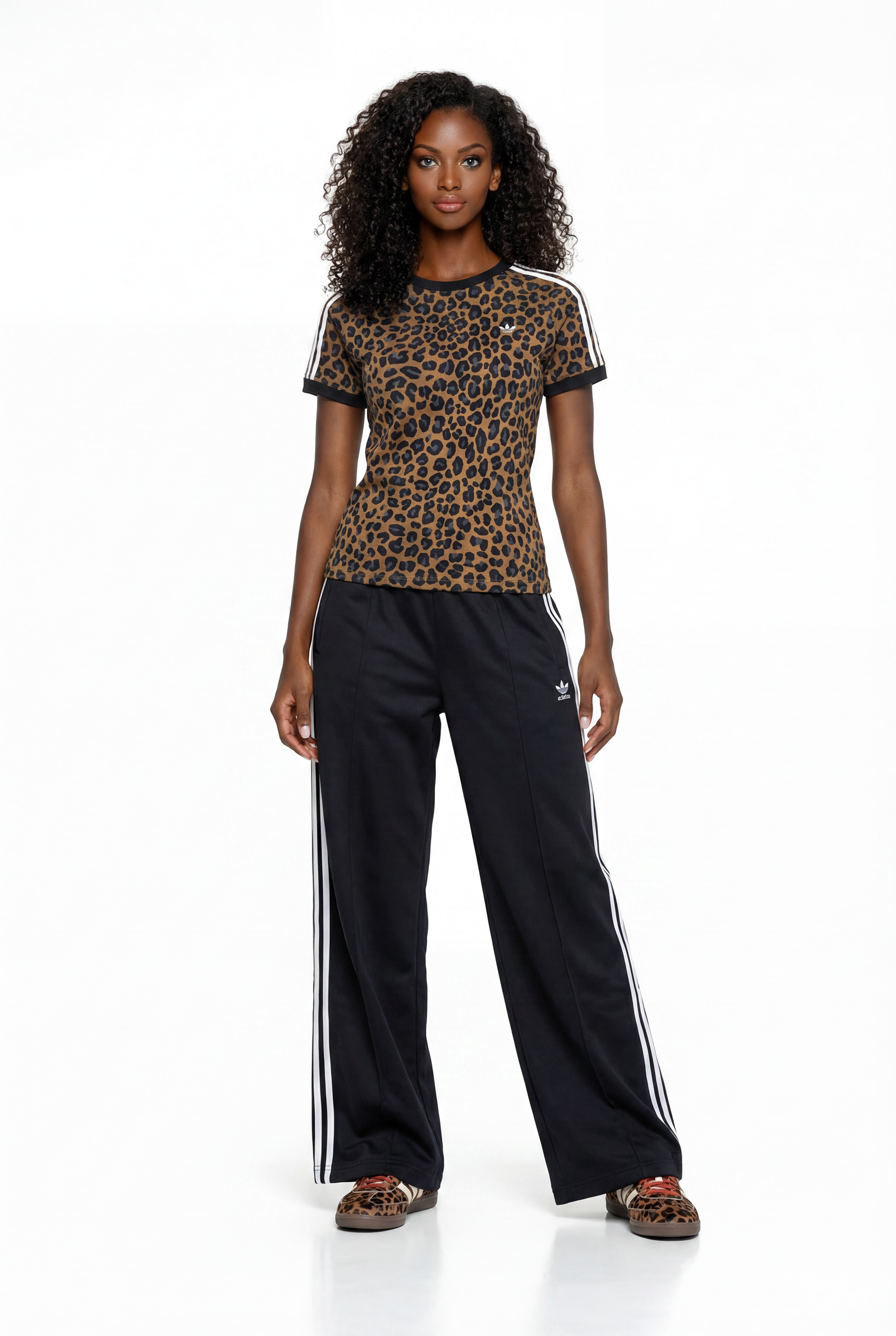
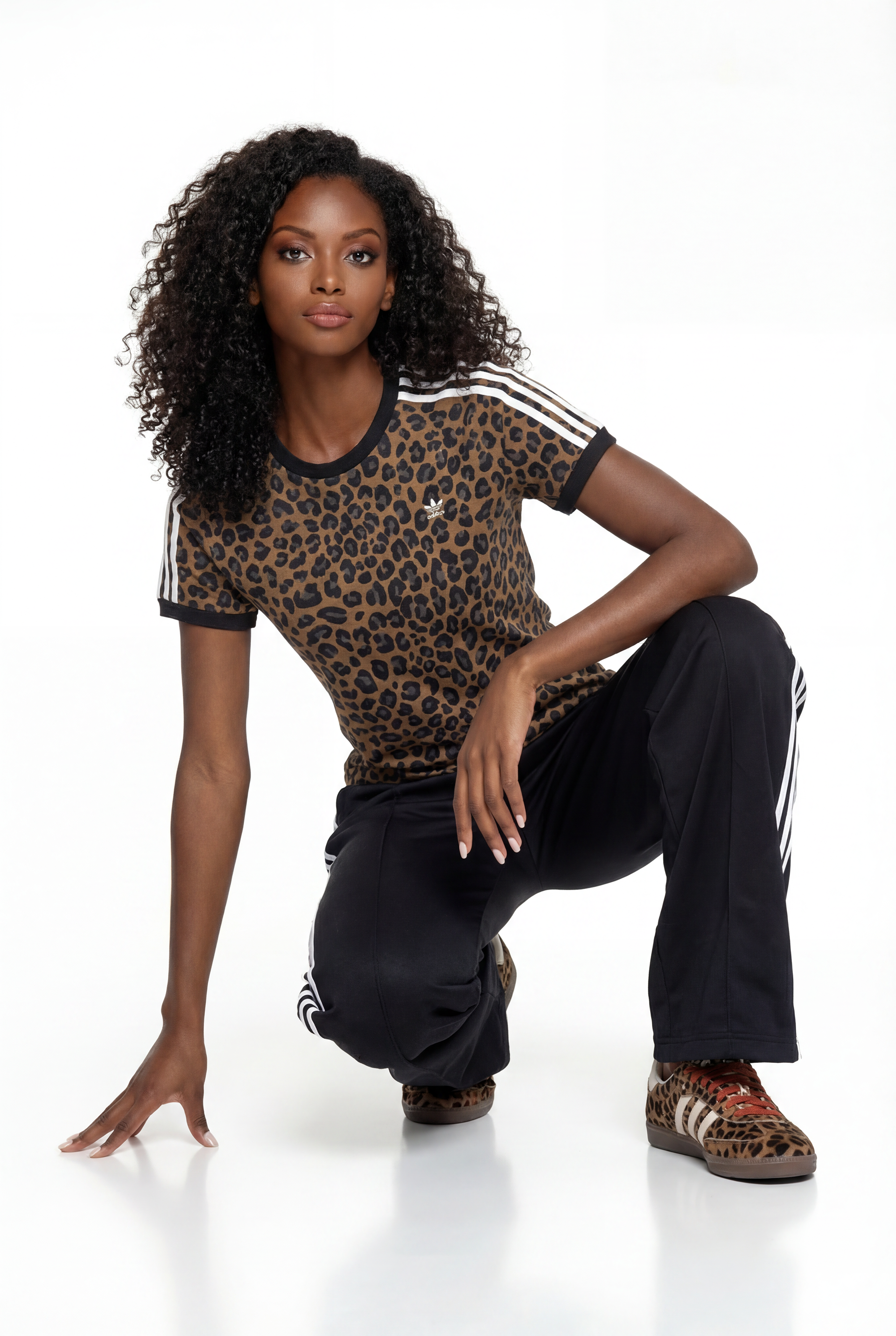
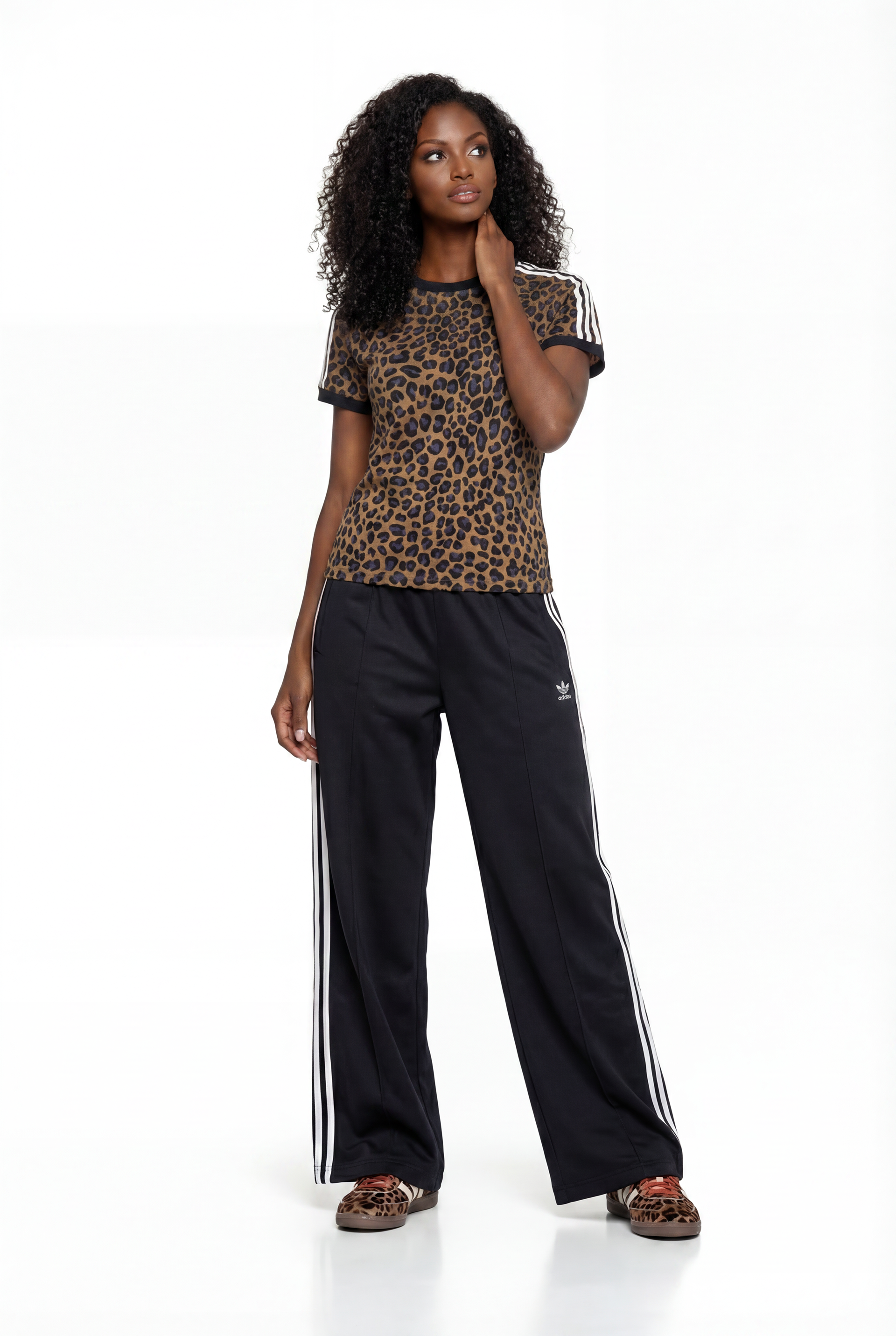
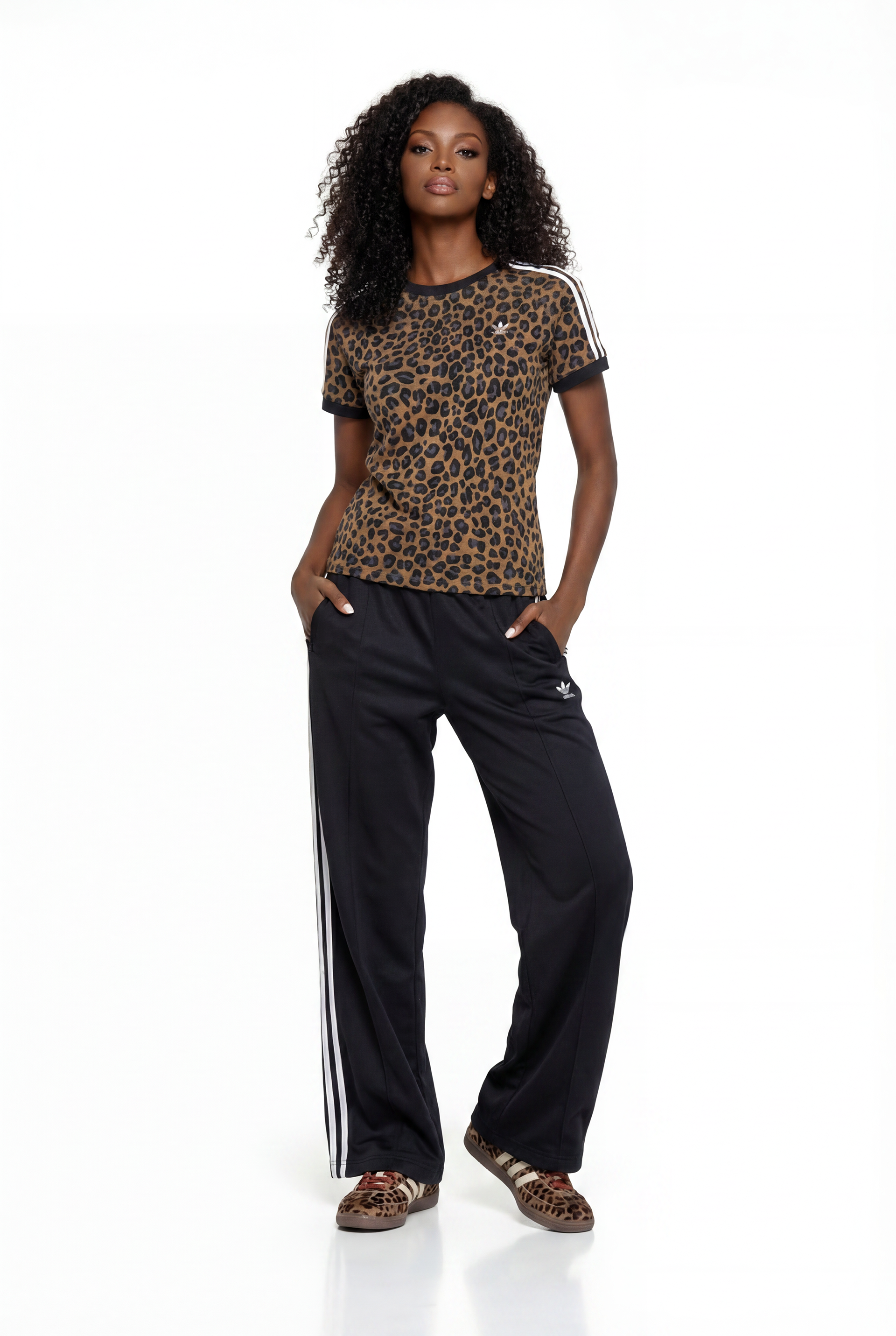
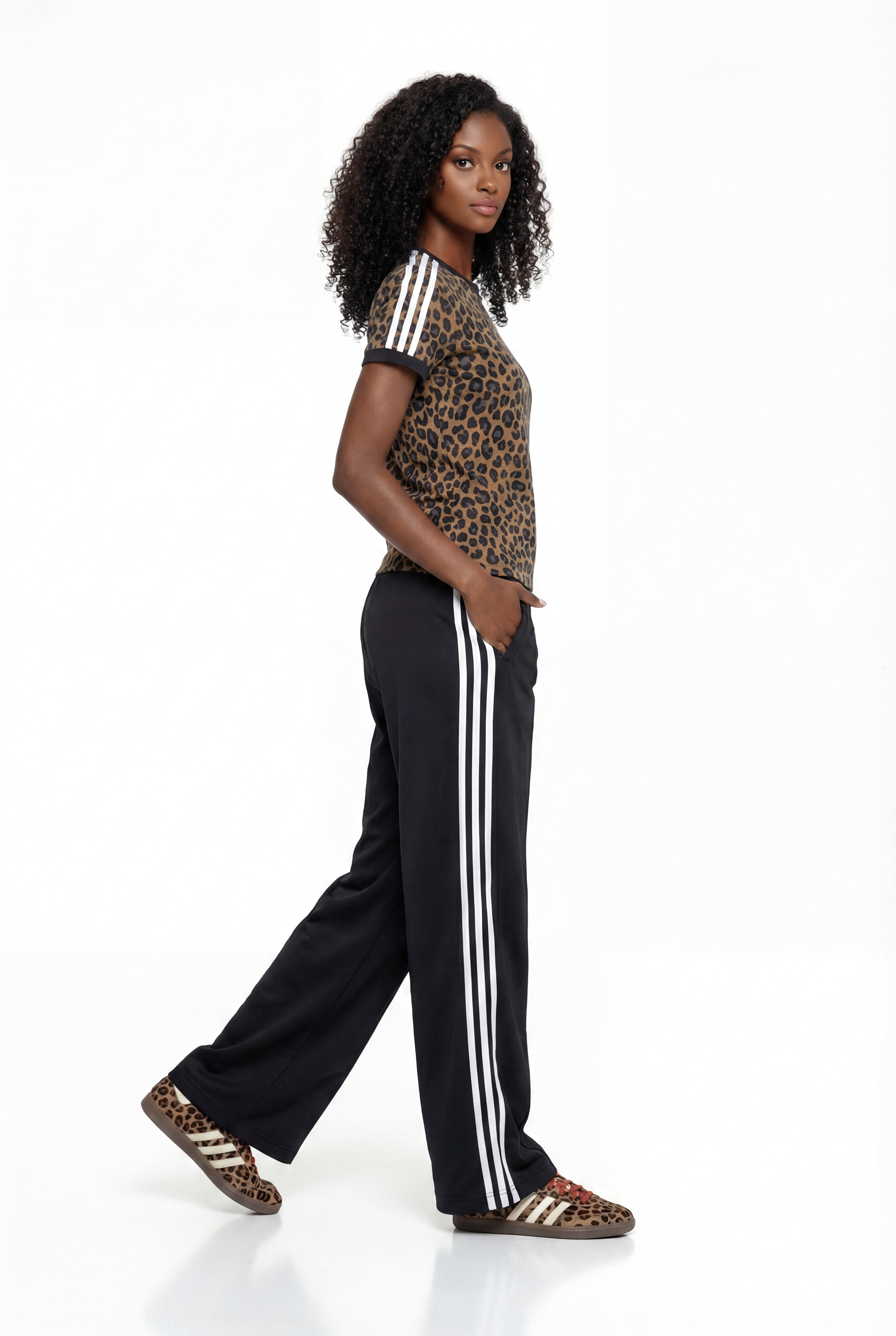
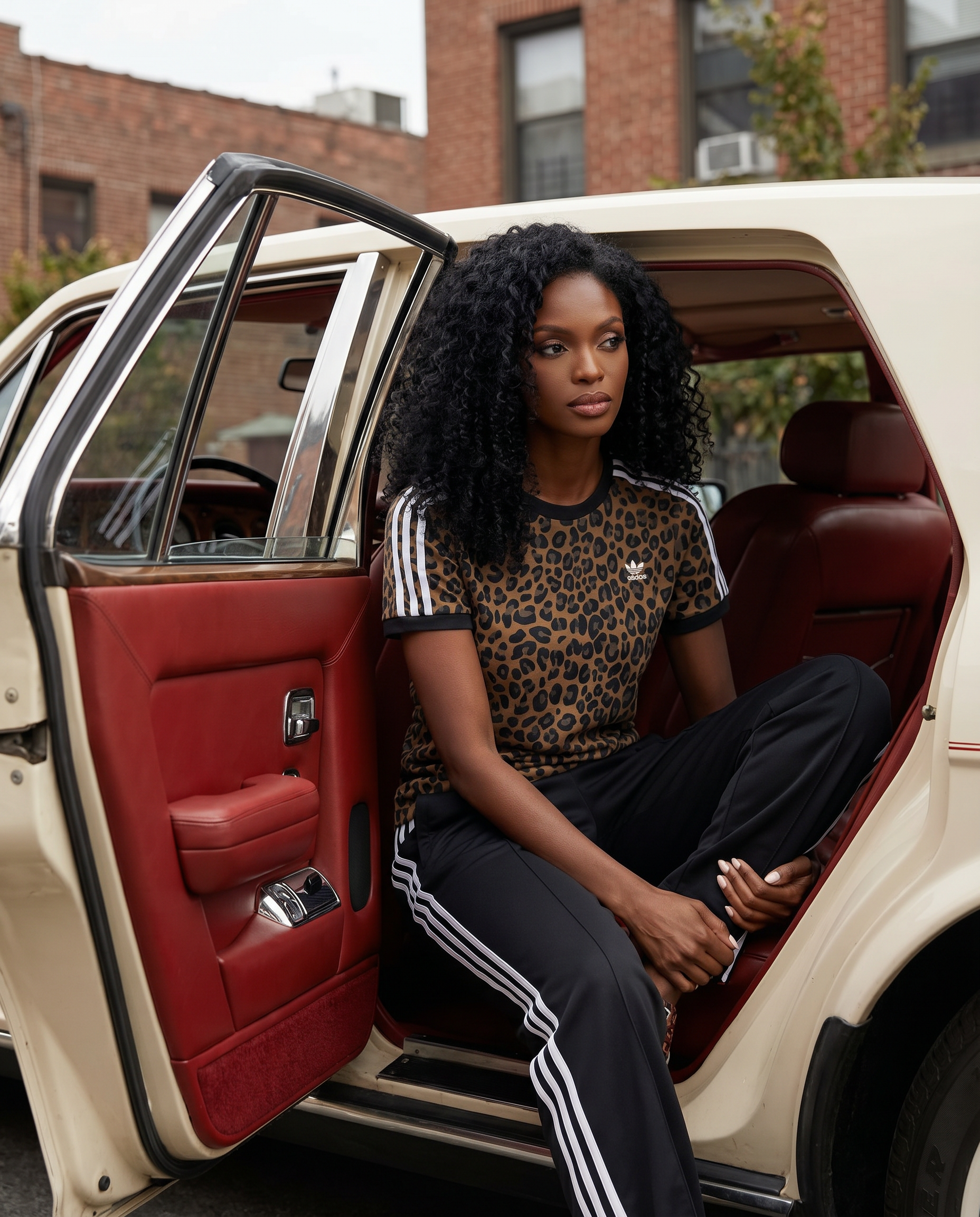
For this series, I created AI-generated editorial imagery built around a precise AI twin of the model.
Styling is informed by designer runway references and PDP imagery, translated digitally onto the model.
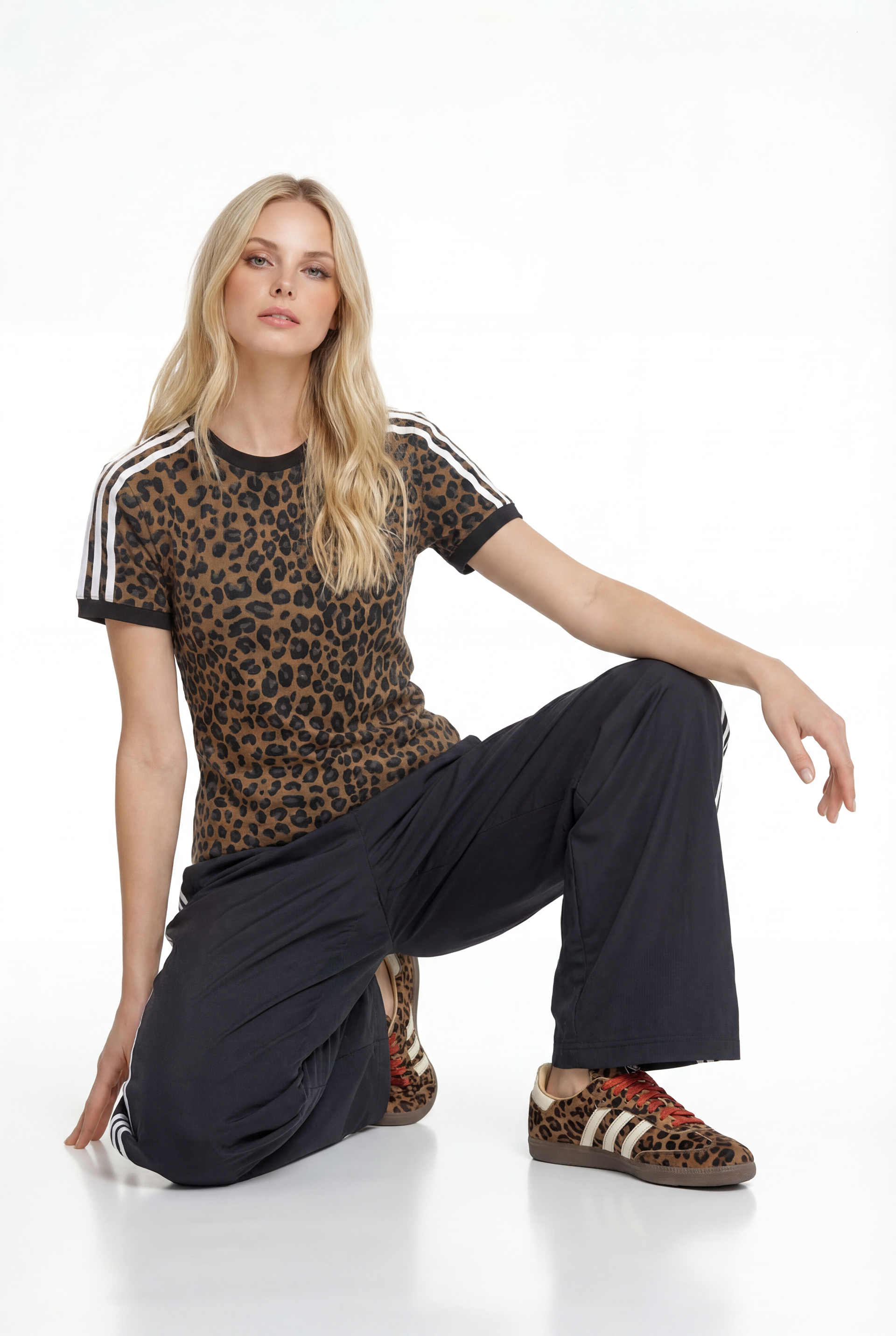
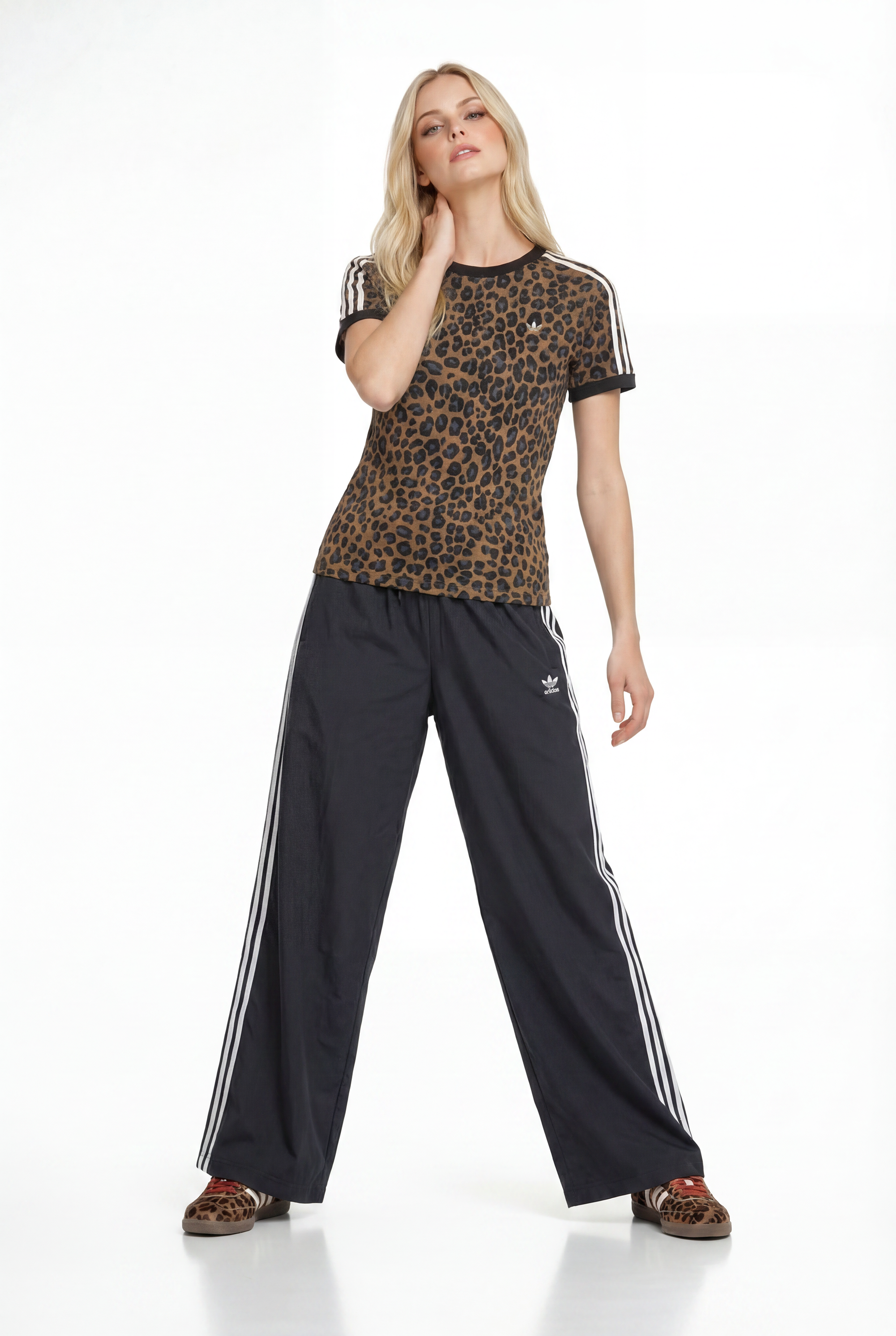
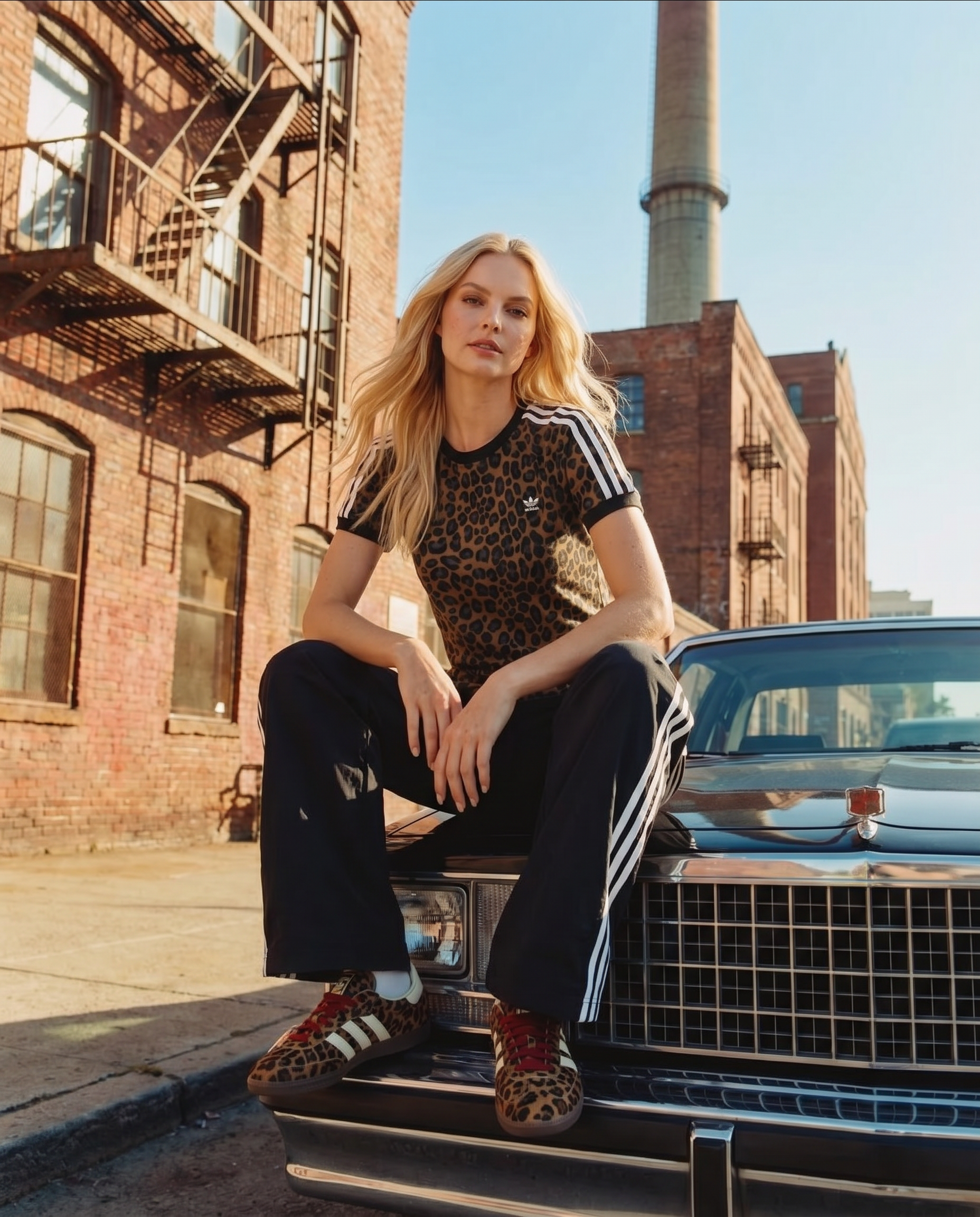
Backgrounds, composition, and posing are directed through targeted prompting, allowing full control over the scene.
Each image is constructed as part of a cohesive, narrative-driven visual system rather than standalone outputs.
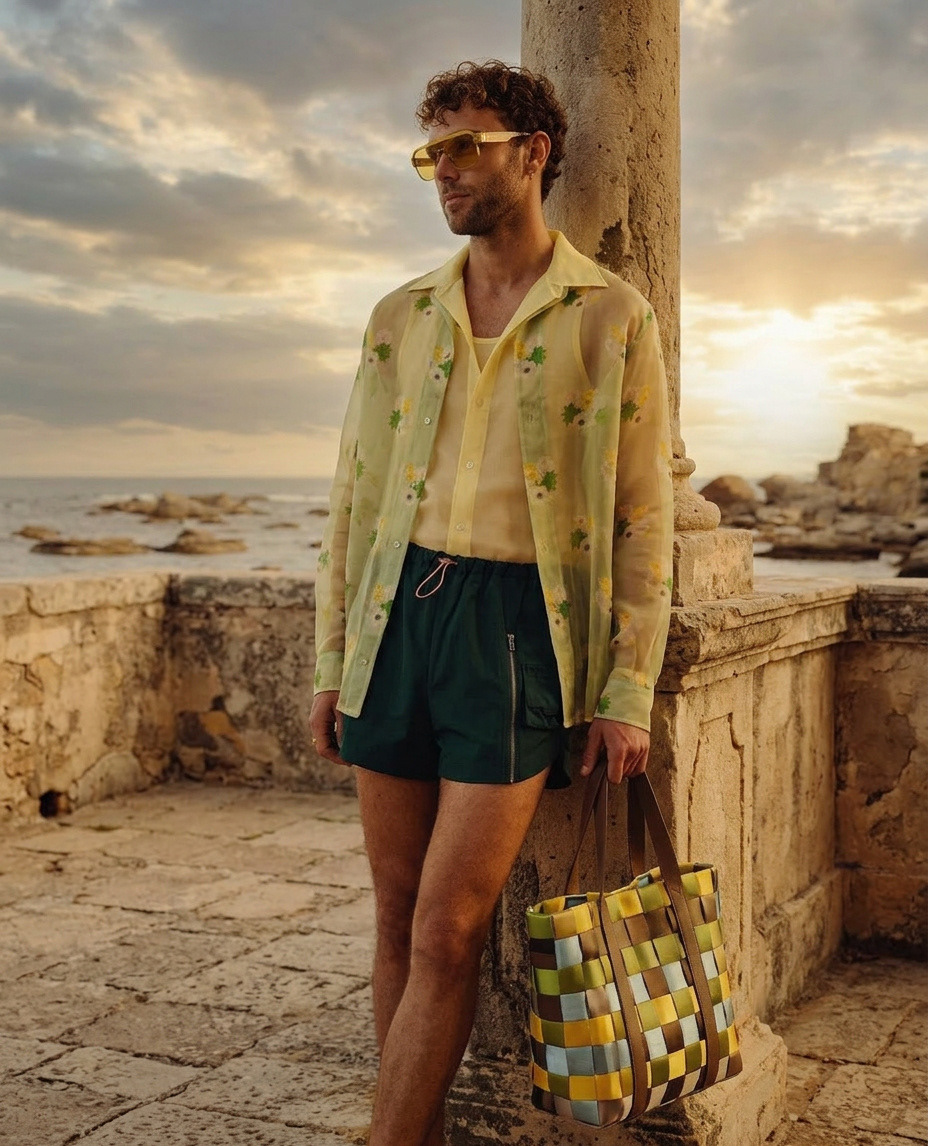
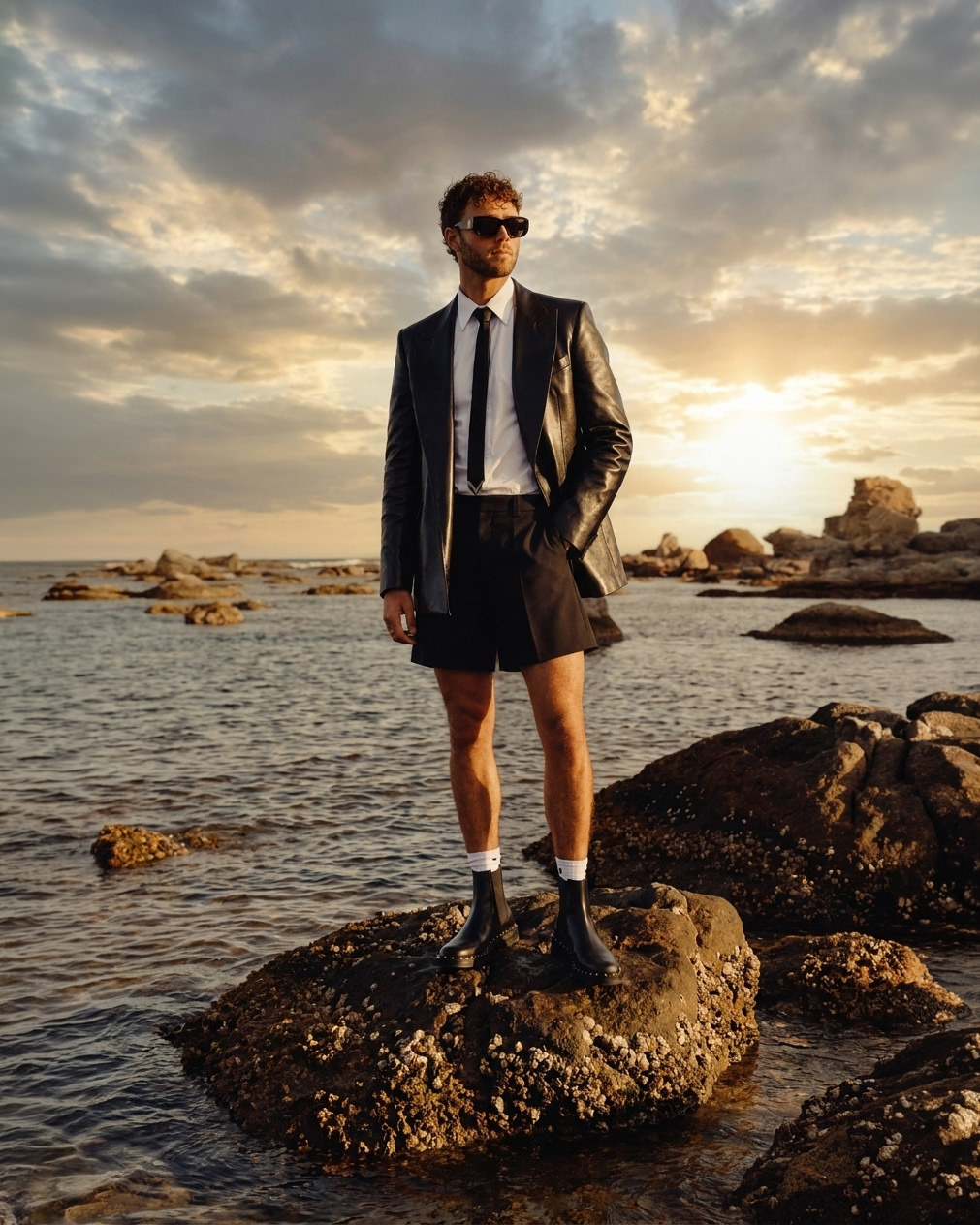
For this series, I built the images through a structured AI workflow, not a single prompt.
I started by generating a base model from scratch.
This gave me full control over identity and consistency.
This gave me full control over identity and consistency.
Next, I used ghost mannequin product images.
I reconstructed the garments digitally and applied them onto the model.
This kept the clothing accurate to real products.
I reconstructed the garments digitally and applied them onto the model.
This kept the clothing accurate to real products.
To control posing, I introduced pose references into the prompts.
This guided the model into specific fashion positions.
No randomness. Clear direction.
This guided the model into specific fashion positions.
No randomness. Clear direction.
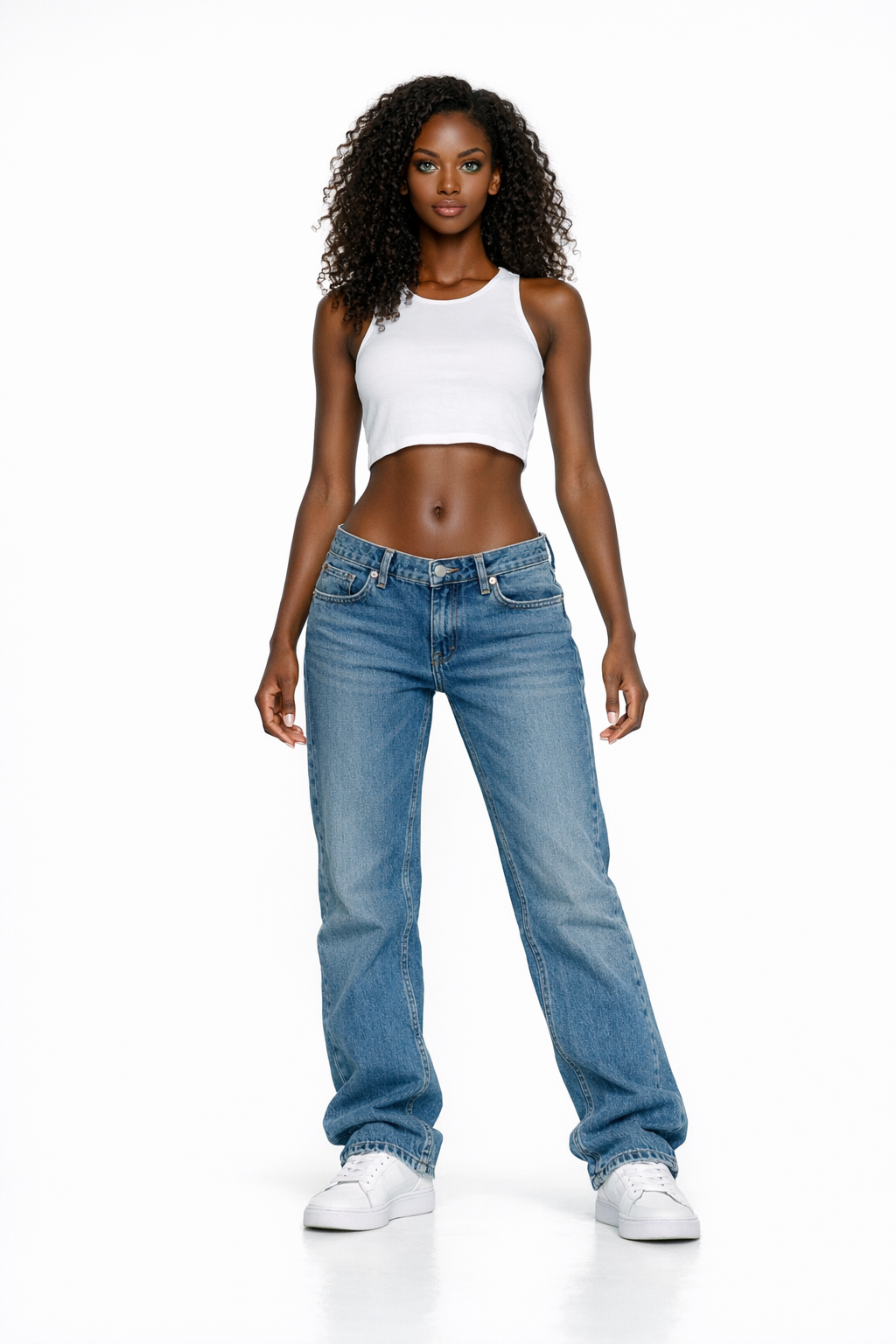
Once the system was stable, I duplicated the process.
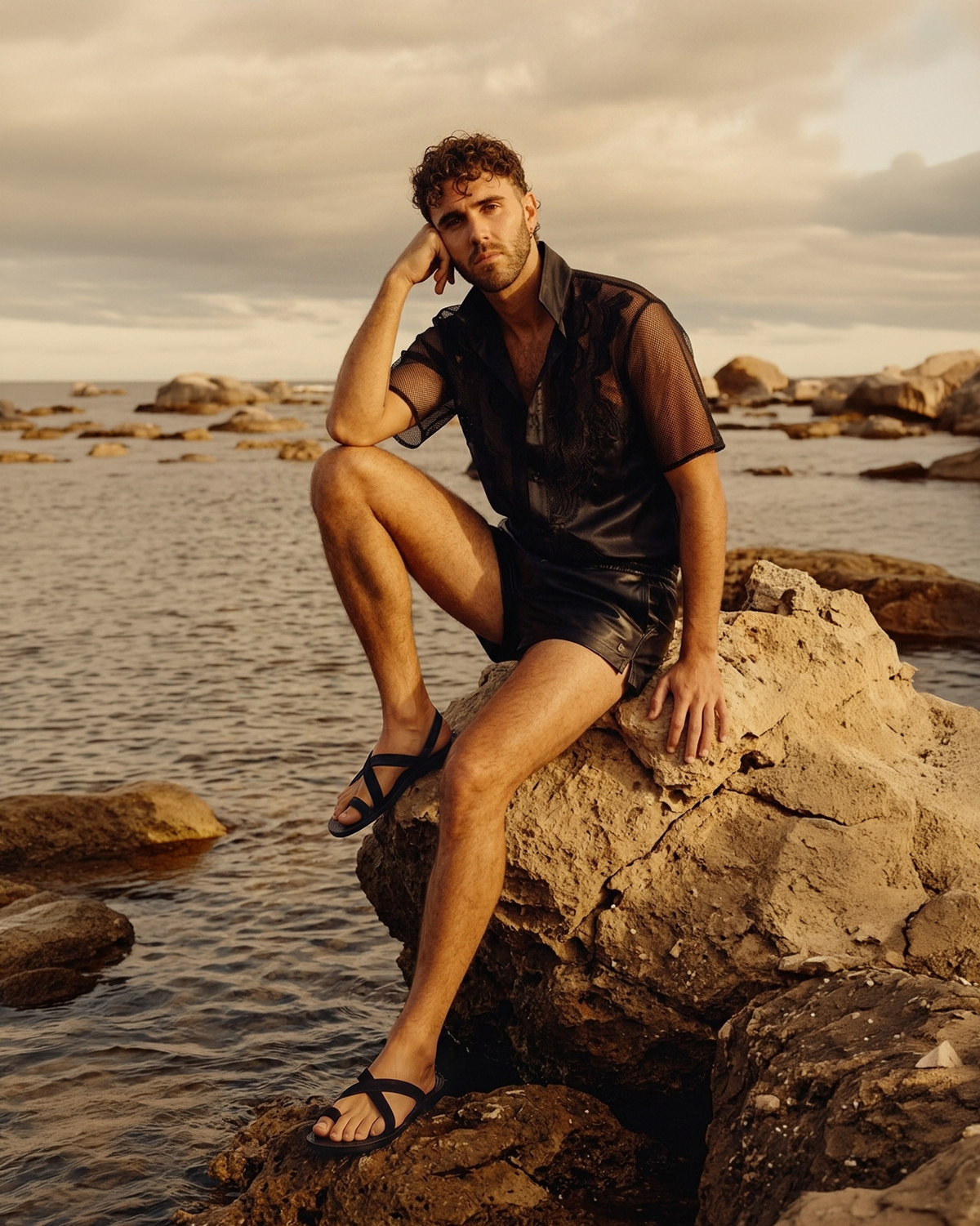
A second AI model followed the exact same sequence.
This maintained consistency across different characters.
A second AI model followed the exact same sequence.
This maintained consistency across different characters.
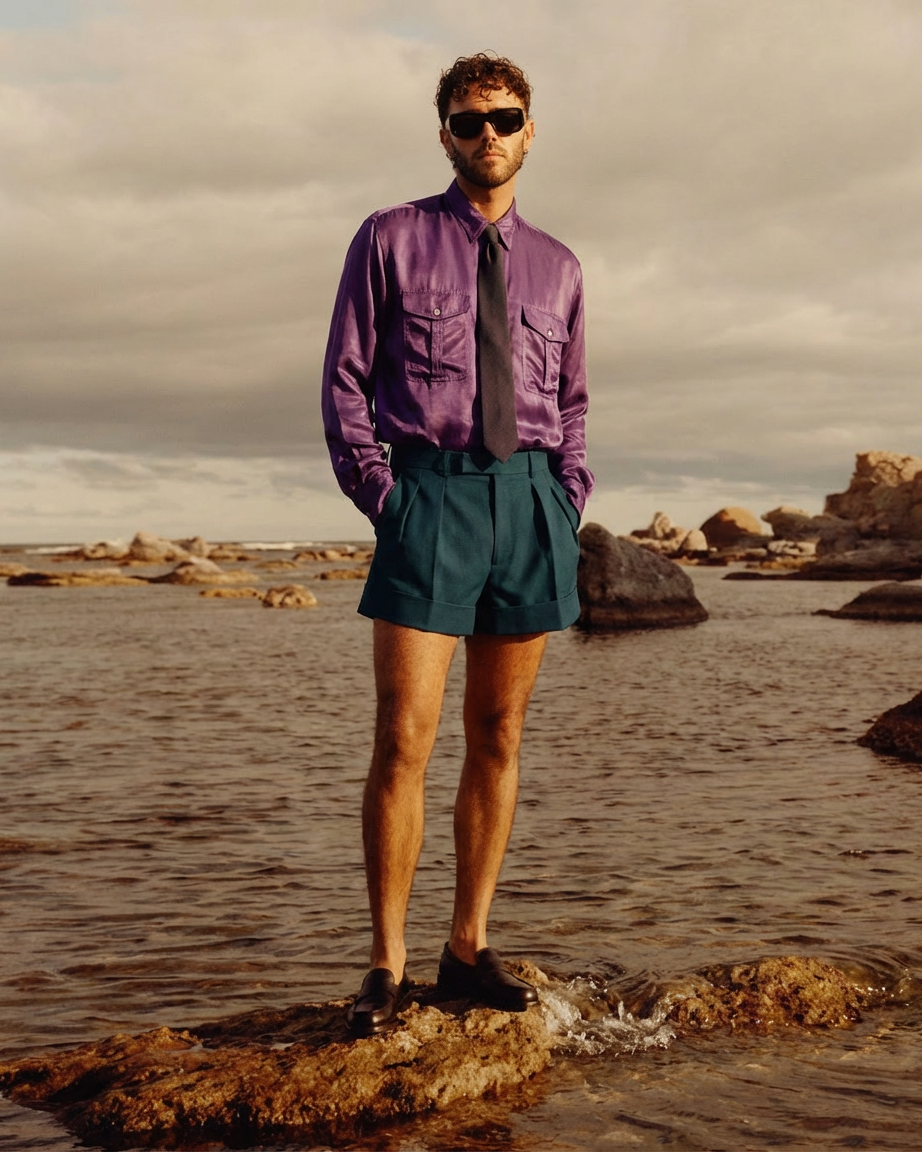
Finally, I placed the models into environments.
These were built to match campaign-style imagery.
The base came from the e-commerce outputs.
These were built to match campaign-style imagery.
The base came from the e-commerce outputs.
The full workflow runs on node-based AI tools.
Multiple generators handle different stages.
Each step is controlled separately.
Multiple generators handle different stages.
Each step is controlled separately.